Humartz Blog
Updates on AI music detection, copyright protection, and artist stories.
What Happens When AI Impersonates You Online — and How to Fight Back
AI-generated content is being posted under real artists' names, passed off as their work, and used to sell products they never endorsed. Here is what your options are.
How to Build a Portfolio That Proves Human Creativity
A portfolio used to be a showcase of finished work. In 2026, it needs to do more — it needs to demonstrate that a human made it. Here is how to build one that does both.
How to Price Your Human-Made Art in an AI World
AI has compressed prices at the bottom of the creative market. But the market for provably human creative work is developing a premium. Here is how to price into it.
AI and Ghostwriting: Who Actually Owns the Work?
Writers are using AI to ghostwrite books, articles, and scripts at scale. But when AI is the primary author, the copyright question becomes genuinely complicated — for writers and their clients.
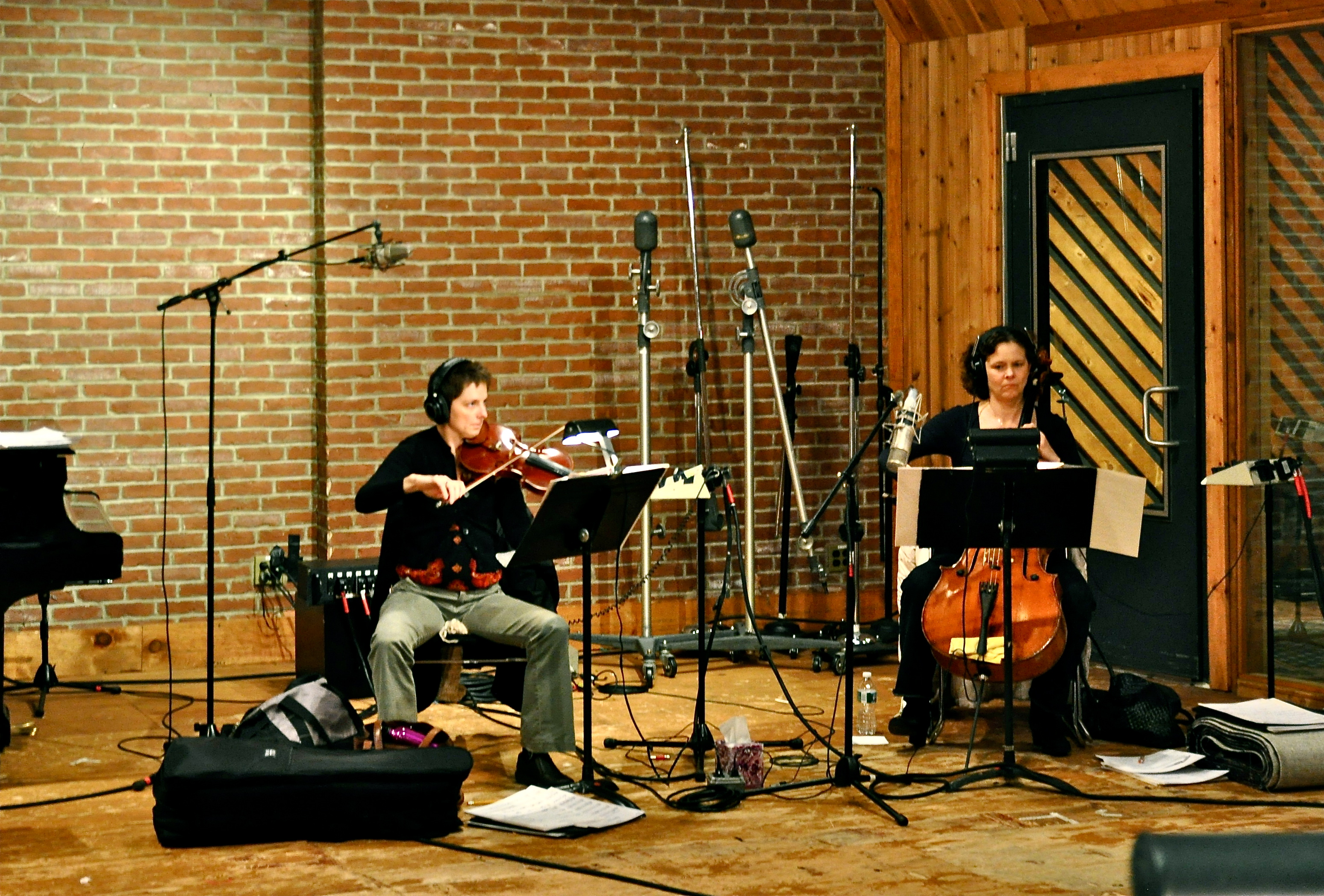
How to Get Your Art Certified as Human-Made
Human certification is becoming a professional standard for artists, musicians, and writers. Here is what the process looks like, what it proves, and why it matters for your career.

The Freelancer's Guide to AI Disclosure in 2026
Clients are adding AI clauses to contracts. Platforms are updating their terms. Here is what freelance creatives need to know about disclosure, liability, and protecting themselves.
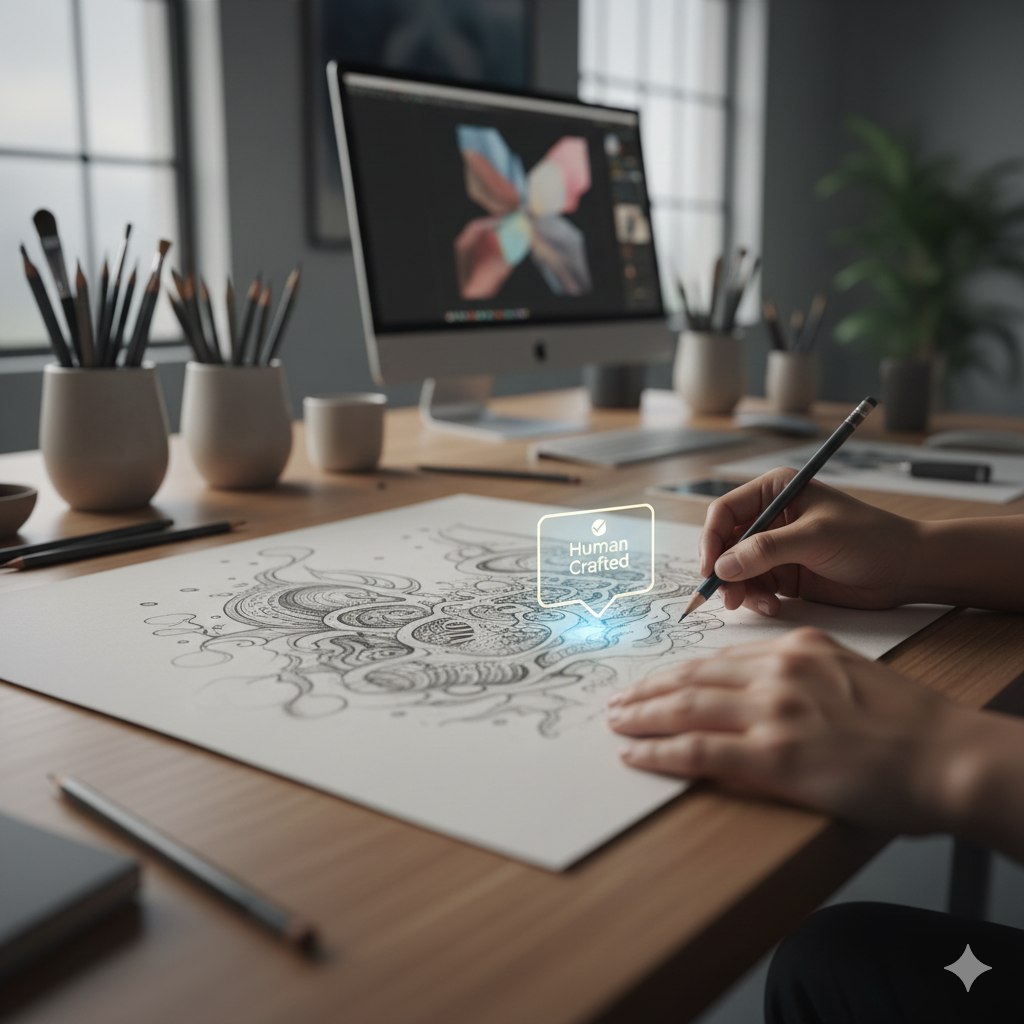
Why Clients Are Now Asking If Your Work Is AI-Generated — and How to Answer
The "did you use AI?" question is now standard in creative briefs and contracts. Here is why it's happening, what clients actually want to know, and how to position yourself.
How Galleries and Auction Houses Are Handling AI Art
The fine art market is grappling with AI in ways that will shape how human creative work is valued for decades. Here is what the major players are doing — and what it means for artists.
The EU AI Act: What Creative Professionals Need to Know
The EU AI Act is now in force and it has direct implications for artists, musicians, writers, and anyone whose creative work touches AI. Here is what actually affects you.
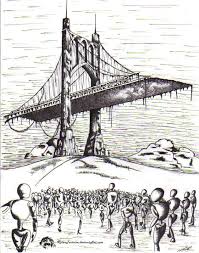
Human vs. AI Art: Is There Still a Market for Human Creators?
AI can now produce images, music, and writing at a fraction of the cost of human work. So what is the market actually paying for when it chooses human creativity — and is that market growing or shrinking?
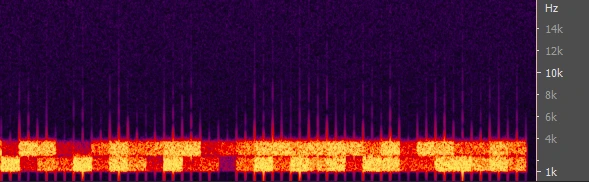
How to Watermark Your Music Against AI Training
Audio watermarking tools can embed imperceptible signals into your recordings that survive compression and re-encoding. Here is what exists, how it works, and whether it's enough.
Do I Own My AI-Assisted Art? The Copyright Question Nobody Can Fully Answer Yet
Using AI tools in your creative process doesn't automatically disqualify you from copyright — but it does complicate it. Here is what the law says, where it's still unclear, and how to protect yourself.
The EU AI Act: What Creative Professionals Need to Know
The EU AI Act is now in force and it has direct implications for artists, musicians, writers, and anyone whose creative work touches AI. Here is what actually affects you.
AI Art Detection Tools: Do They Actually Work?
Platforms and publishers are relying on AI detection to screen creative work. But how reliable are these tools — and what happens when they get it wrong?
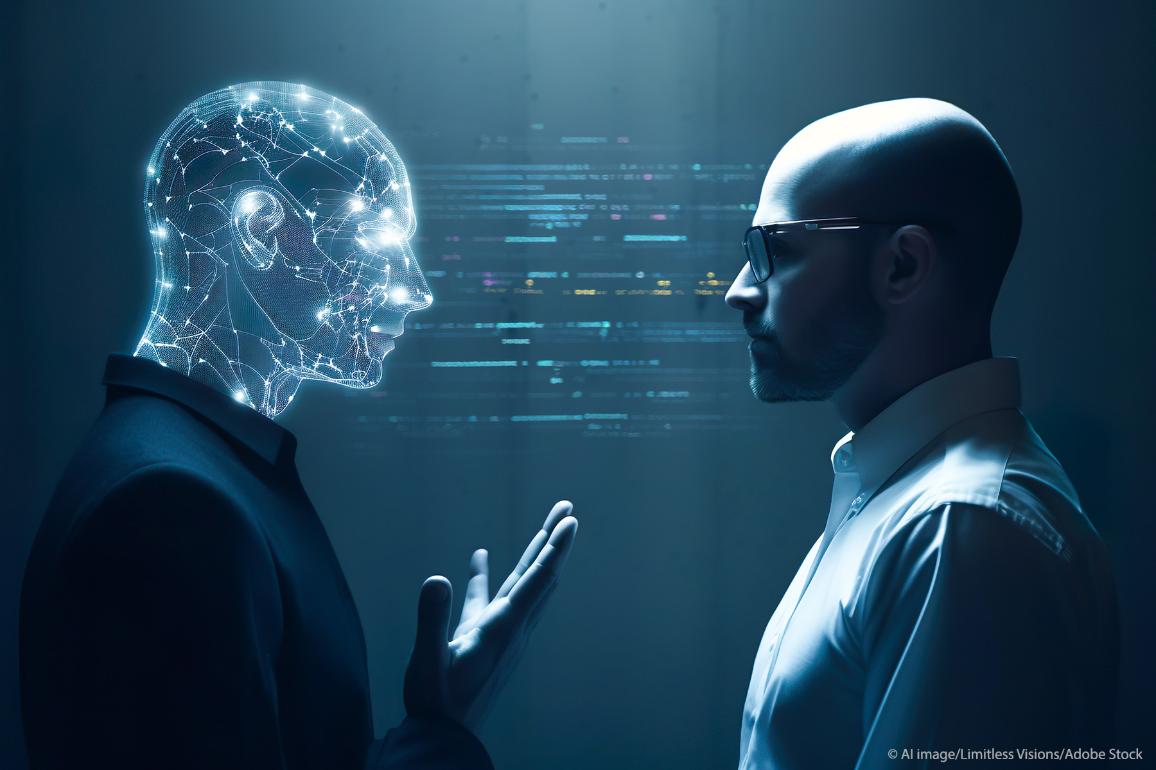
The Transparency Trap: Why Metadata Isn't Enough to Protect Human Creativity
The European Parliament wants AI transparency. But metadata gets stripped in one click, and detection models are already losing. The real fight isn't at the output layer.
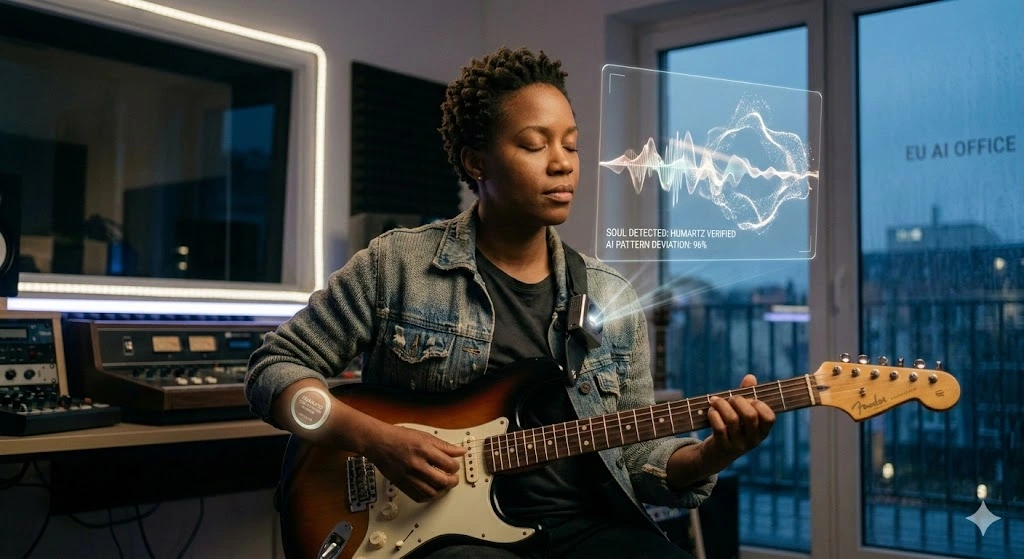
The Soul in the Machine: Navigating the Legal Chaos of AI Music
With AI-generated tracks topping the charts, a new legal frontier has emerged. Understanding the shift from 'fair use' to 'human certification' is no longer optional for creators.
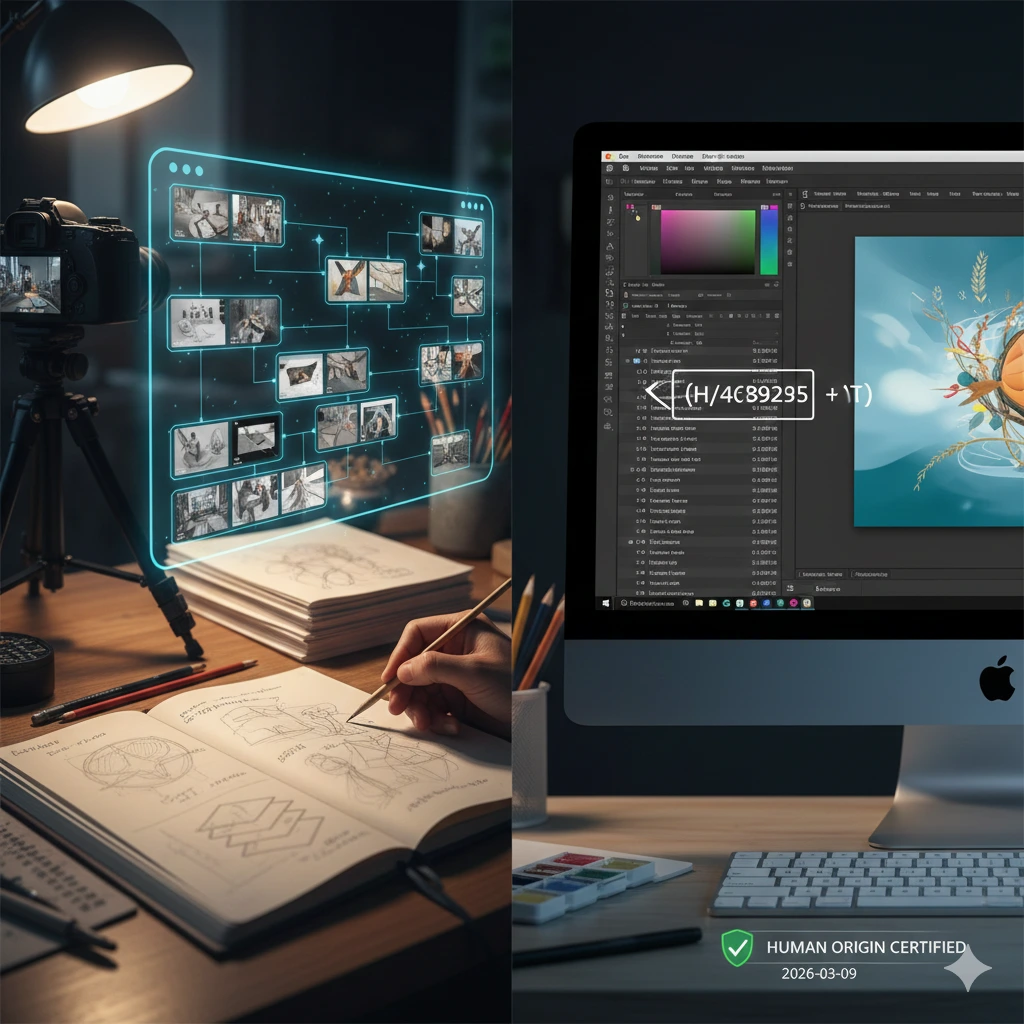
How to Prove You Made Something Before AI Did
When your work gets contested, timestamps and gut feelings won't cut it. Here is what verifiable proof of human origin actually looks like — and how to build it.
What 'Human Certified' Means — and Why It's Becoming the New Copyright
Copyright was built for a world where human authorship was the default. That world is gone. Here is what certification means, why it matters, and what it actually protects.
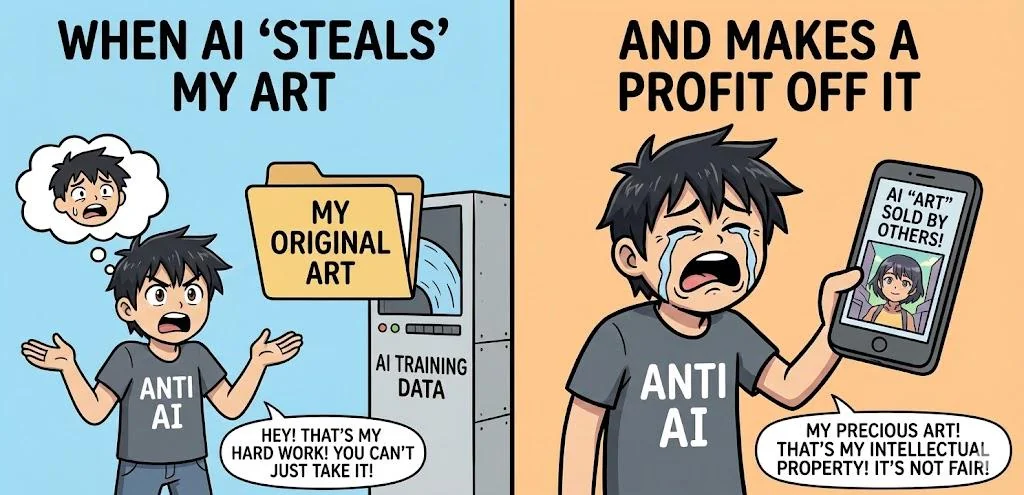
AI Stole My Style. What Are My Options?
Your aesthetic has been absorbed into a model and is being sold back to the market without your consent. Here is what you can actually do about it.
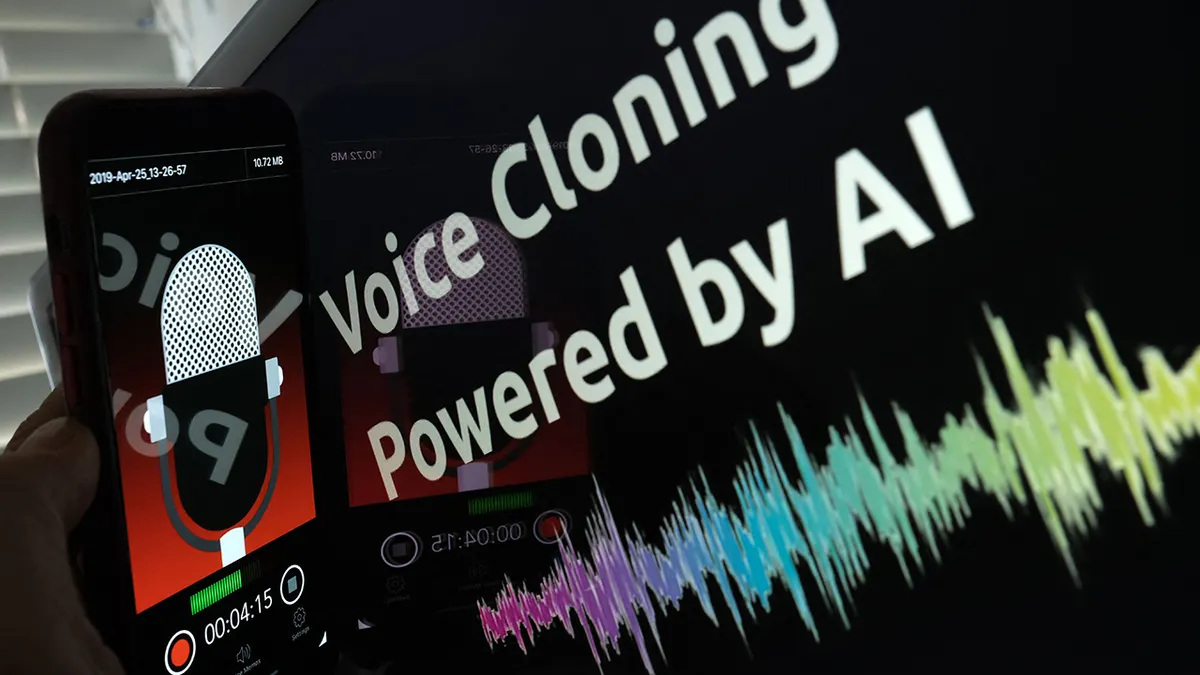
The Musician's Guide to Protecting Your Voice from AI Cloning
AI voice cloning tools can replicate a singer's voice from minutes of audio. Here is what musicians need to understand about their rights, the law, and what protection actually looks like.
Can AI Legally Copy My Art Style? What Artists Need to Know in 2026
AI image generators are trained on millions of artworks — often without permission. Here is what the law actually says about style imitation, and what you can do to protect yourself.
What Is AI Training Data — and Was Your Art in It?
The images, music, and writing that trained the world's most popular AI systems came from somewhere. Here is how to find out if your work was included — and what you can do about it.
Why Human Creativity Still Matters — and Always Will
AI can generate images, music, and writing that passes for human-made. So what is it that human creative work actually offers that a model cannot? The answer is more fundamental than aesthetics.