How to Get Your Art Certified as Human-Made
Human certification is becoming a professional standard for artists, musicians, and writers. Here is what the process looks like, what it proves, and why it matters for your career.
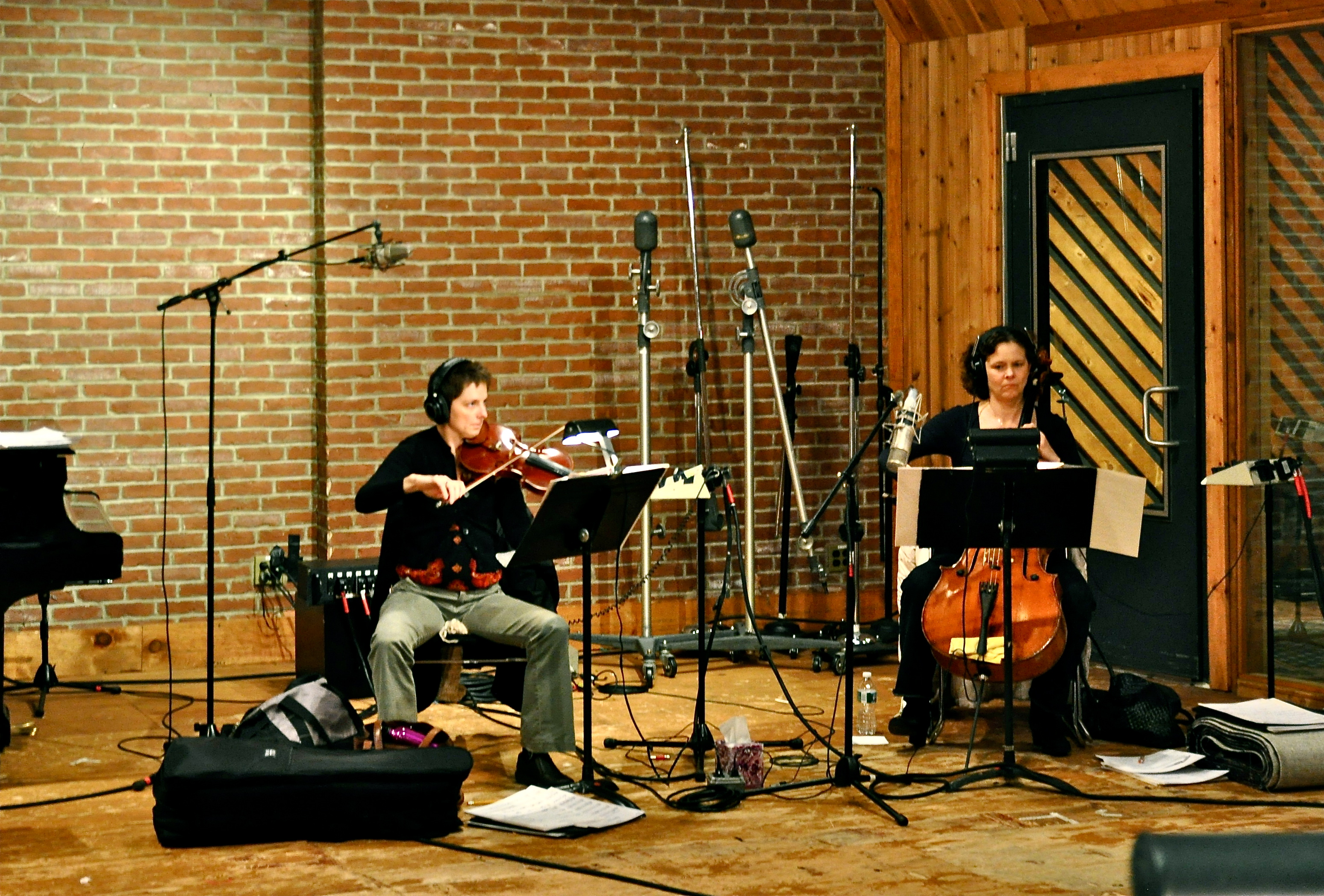
A few years ago, the idea of certifying that your art was made by a human would have sounded absurd. Of course it was made by a human — who else would have made it?
In 2026, that question has a different answer. And the artists, musicians, and writers who have already started documenting and certifying their work are ahead of a curve that is about to become steep.
Why Certification Is Different from Registration
Copyright registration tells a court that you filed a claim on a work at a specific date. That's useful, but it doesn't tell anyone how the work was made.
Human certification does something different: it creates a verifiable record of the creative process itself. Not just the finished file, but the sequence of human decisions — sketches, drafts, recording sessions, revision histories — that produced it.
The distinction matters because the challenge artists face now isn't primarily about ownership. It's about origin. "Did a human make this?" is the question that clients, platforms, and regulators are starting to ask. Copyright registration doesn't answer it. Certification does.
What Certified Work Actually Looks Like
A certified work has an associated audit trail. This includes:
A timestamped creation record. The process documentation — sketches, layer files, session files, draft sequences — is recorded with cryptographic timestamps that establish when each stage existed. This is done by a neutral third party, which means it can be independently verified.
A process record. Not just the output, but evidence of how it was made. For a visual artist, this might be layered files showing the evolution of the work. For a musician, it might be session files showing multitrack development. For a writer, it might be document version history.
A certification badge. A publicly verifiable credential attached to the work that can be checked by anyone — a client, a platform, a buyer, a court — to confirm the human origin claim.
The Certification Process
Getting certified typically involves three stages:
1. Process documentation during creation. The most valuable evidence is generated while you work, not after. This means saving process files at meaningful intervals, recording session metadata, and documenting the human decisions that shaped the work. The more granular this documentation, the stronger the certification.
2. Submission and verification. Your process documentation is submitted and reviewed. A neutral party confirms that the evidence is consistent with human creative origin — that the sequence of files, timestamps, and decisions makes sense as a human creative process rather than an AI output.
3. Issuance of certification. The certification is issued and attached to the work. It is stored in a way that is tamper-evident — altering the work or the documentation would break the chain of verification.
What Certification Protects
Certification is protection at three levels:
Commercial. Clients increasingly require proof of human origin for commissioned work. Certified work is cleaner to license, easier to clear for commercial use, and commands a premium in markets where human creativity is explicitly valued — fine art, bespoke design, literary publishing, independent music.
Legal. A certified process trail is evidence. If your work is copied, misattributed, or challenged, you have something concrete to present. It doesn't guarantee you'll win — nothing does — but it changes the nature of the dispute from "he said / she said" to documented record vs. counter-claim.
Reputational. A verified human badge on your portfolio, your releases, and your client work signals something increasingly valuable: that what you make is genuinely yours. In a market flooded with AI-assisted content of unclear origin, that signal has real commercial weight.
Who Should Get Certified
Certification is most immediately valuable for:
- Commercial artists and designers working with clients who are starting to ask about AI usage policies
- Musicians whose vocal identity or compositional style could be cloned
- Writers submitting to publications that require declarations of human authorship
- Fine artists whose work is sold through galleries or auction houses where provenance directly affects value
- Freelancers who need to demonstrate professional standards in a market where "did you use AI?" is now a standard question
If your income depends on your creative work being recognized as yours, certification is no longer optional — it's professional infrastructure.
Starting Today
The most important thing to understand is that the best time to build a documentation habit is before you need it. A certification process that starts from your next project is worth far more than trying to reconstruct evidence for past work.
The habits that matter: save process files, document your sessions, timestamp your drafts. The infrastructure that formalizes those habits into a verified credential is what turns good practice into defensible proof.
2026-03-14 · 6 min read
What Happens When AI Impersonates You Online — and How to Fight Back
AI-generated content is being posted under real artists' names, passed off as their work, and used to sell products they never endorsed. Here is what your options are.
2026-03-12 · 5 min read
How to Build a Portfolio That Proves Human Creativity
A portfolio used to be a showcase of finished work. In 2026, it needs to do more — it needs to demonstrate that a human made it. Here is how to build one that does both.
2026-03-10 · 5 min read
How to Price Your Human-Made Art in an AI World
AI has compressed prices at the bottom of the creative market. But the market for provably human creative work is developing a premium. Here is how to price into it.
Protect your creative legacy
Don't let your work disappear into the noise. Get a verified human badge that holds up legally and commercially.